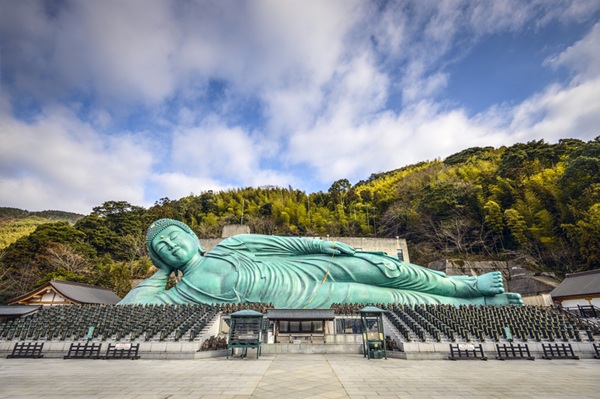
Reclining Buddha of Fukuoka
Ready to go beyond the usual route? This extended adventure takes you deep into southern Japan first — starting in the vibrant city of Fukuoka on the island of Kyushu. Think castle ruins with epic views, relaxing beach vibes, and even cutting-edge robot technology. Old meets ultra-modern in the best way.
Next stop: Nagasaki, a historic port city shaped by international trade and global influence. Just off its coast lies one of Japan’s most mysterious places — Gunkanjima, also known as Battleship Island. This abandoned island, filled with haunting concrete ruins, feels like stepping into a post-apocalyptic movie set.
In Hiroshima, you’ll experience powerful history at the Atomic Bomb Memorial sites, stroll through one of Japan’s most beautiful landscape gardens, and visit the sacred island of Miyajima with its iconic floating torii gate. Emotional, inspiring, unforgettable.
From there, you follow the legendary route of our Basic Trip — diving into Japan’s cultural heartland and buzzing cities all the way to Tokyo. Ancient temples, foodie capitals, anime hotspots, neon skylines — this journey gives you the full spectrum of Japan.
Route:
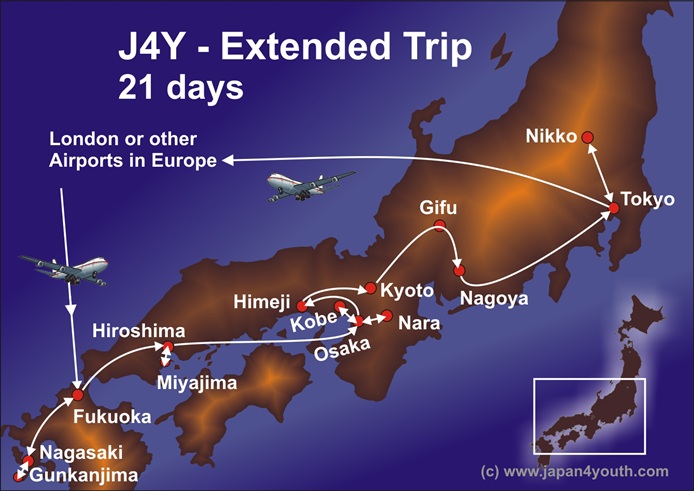
London & Europe → Fukuoka → Nagasaki → Gunkanjima → Hiroshima → Osaka → Kobe → Himeji → Kyoto → Nara → Nagoya → Nikko → Tokyo → London & Europe
Your journey starts at London & Europe Airport, where you meet your fellow travelers for the first time. Before we take off for Japan, there’s time to vibe, get to know each other, and grab any last-minute essentials at duty-free. Pro tip: pick up a travel pillow for the long flight — or use the time to finish your guidebook and collect ideas for the adventure ahead. This is the “pre-game” before Japan hits full power.
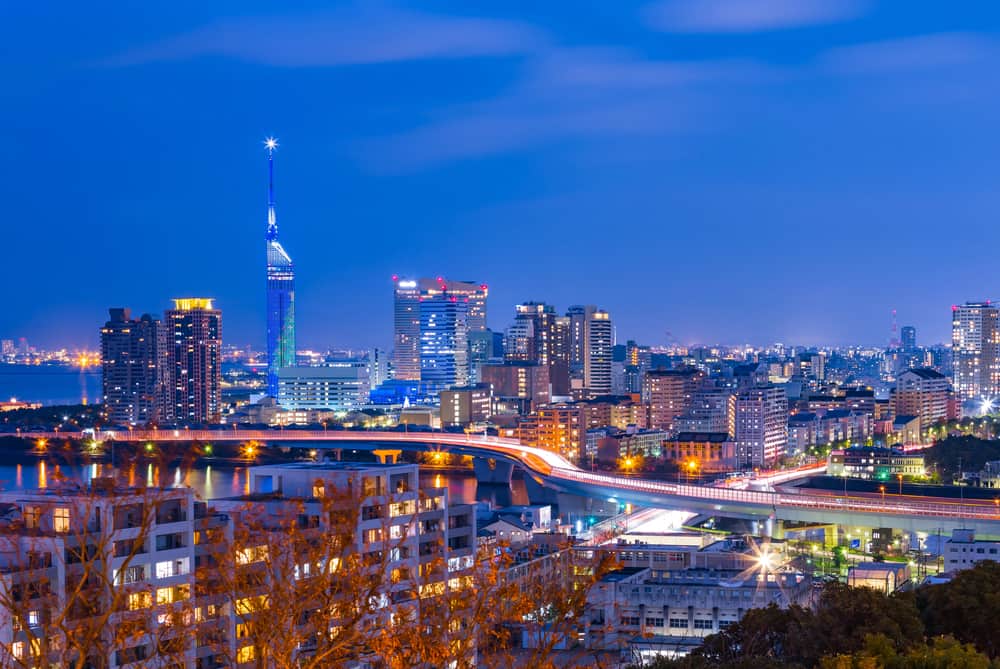
Fukuoka Cityscape
After a quick stop in Tokyo, we fly even further south — see you in two weeks, Tokyo! At Fukuoka Airport, your tour leader welcomes you, and any leftover sleepiness disappears fast. The ride to the hotel is short, but the city lights are loud (in the best way): giant glowing billboards, bright streets, and that “Japan aesthetic” you’ve seen in anime and movies.
Some of you will instantly spot familiar details from manga and anime — and yes, we’re testing Japan’s iconic vending machines ASAP. They’re basically everywhere, and it feels like you’ve stepped into a scene you used to watch on a screen.
After dropping our luggage, we kick off the program for those still standing: we visit the Fukuoka Castle Ruins in Maizuru Park. It used to be the biggest castle on Kyushu, and even though much of it was destroyed, the atmosphere and history still make it a must.
To end the day right, we head to Ohori Park for a sunset moment — the kind where you just sit, breathe, and realize: “Wow… we’re really in Japan.” Then it’s a well-earned sleep.
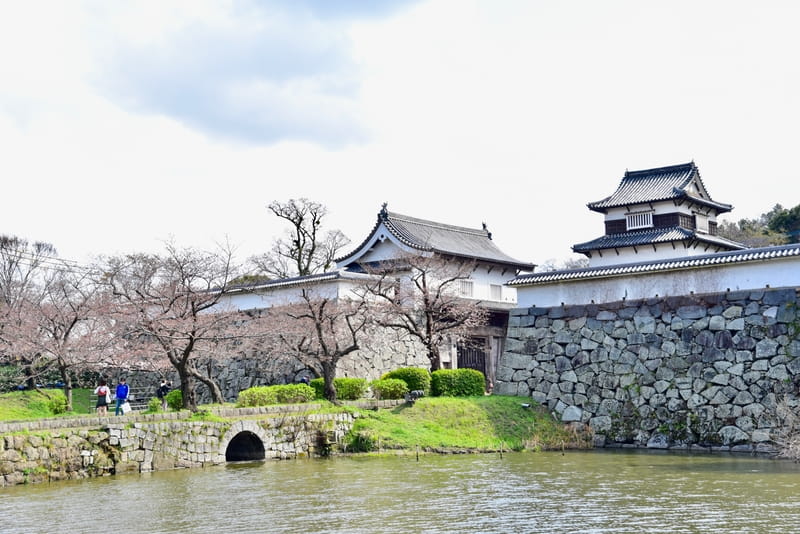
Fukuoka Castle Ruins
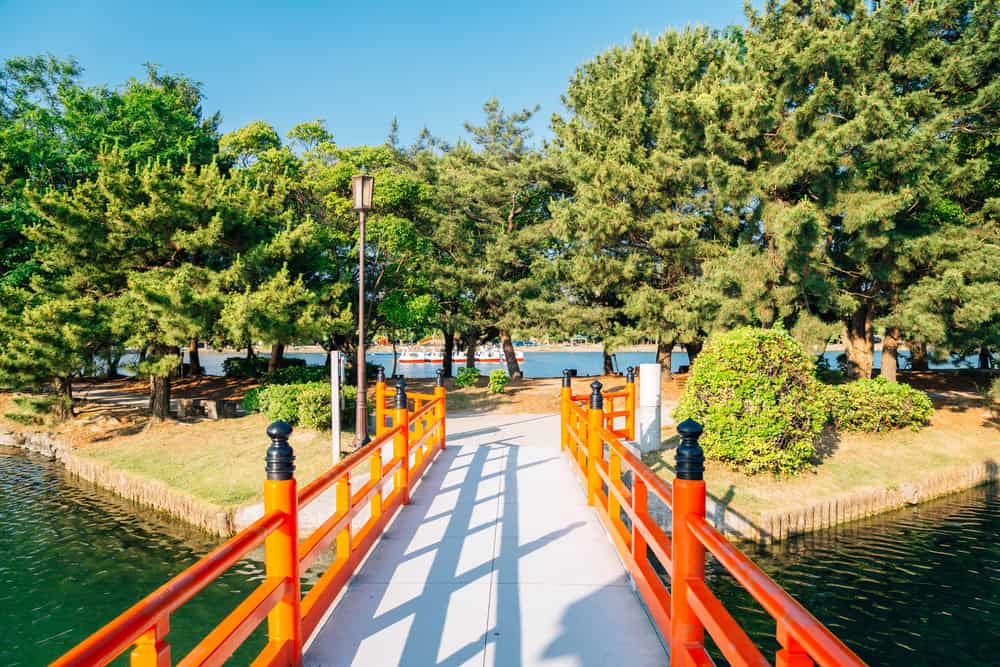
Ohori Park
Rested and recharged, we start at Momochi Seaside Park. From here you can enjoy views over the city and the ocean — clean, wide, and super photogenic.
Next, Momochihama Beach. It’s chill time: fresh sea air, relaxing vibes, and in summer you can cool your feet in the water. Big “main character at the beach” energy.
Canal City — “A City Inside a City”
Later we explore Canal City, a futuristic complex designed so you barely see the outside world. Shops, cafés, restaurants, cinema, theater, hotels — and an actual canal running through it. It feels like a mini-universe built for shopping, food, and hanging out.
Afterwards we visit Kushida Shrine, dedicated to the deities Amaterasu (sun goddess) and Susanoo (storm god). Mythology, culture, and a totally different side of Japan — all in one stop.
If you’re still feeling energetic, the evening is perfect for exploring Nakasu, a lively island district known for Fukuoka nightlife and delicious local bites.
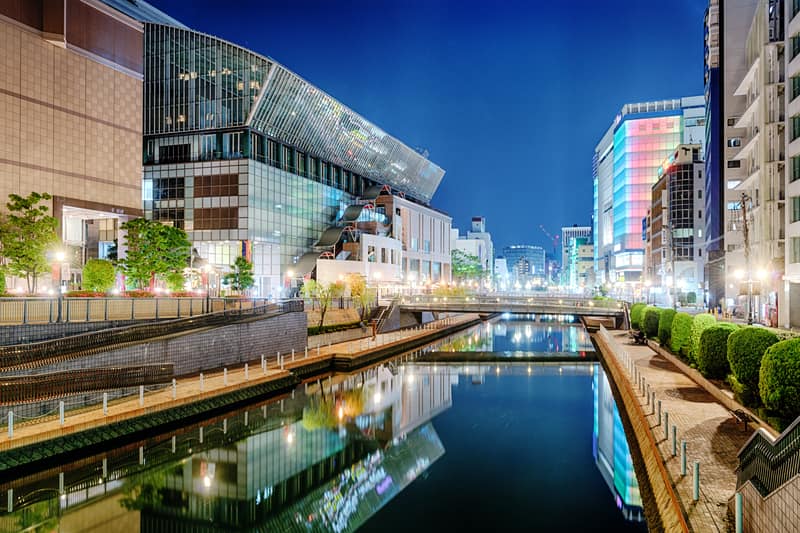
Canal City
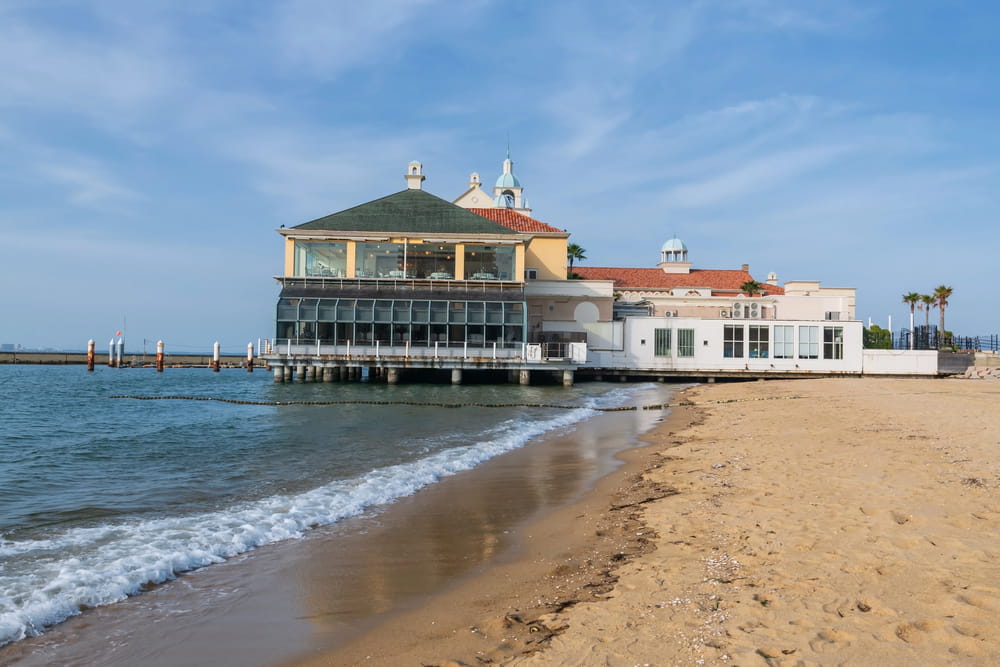
Momochi Seaside Park
Today we ride the bullet train to Nagasaki, then hop on a boat to the abandoned island of Hashima — better known as Gunkanjima (“Battleship Island”). From far away it literally looks like a warship.
From 1887 to 1974, coal mining ran under the sea here. When it ended, everyone left — and the island became a silent concrete ghost town. Since 2009, guided tours have opened parts of it to visitors, and yes, we’re going. The vibe is spooky-cool and insanely memorable.
Back on land, we continue to Dejima, once Japan’s only official gateway to the outside world. For a long time, only the Dutch were allowed to live and trade here — a wild chapter of Japanese history.
Before heading back to Fukuoka, we visit Glover Garden, home to Japan’s oldest Western-style residence. It was built around 1863 for Scottish merchant Thomas Blake Glover, known for supporting modernization in areas like shipbuilding and mining.
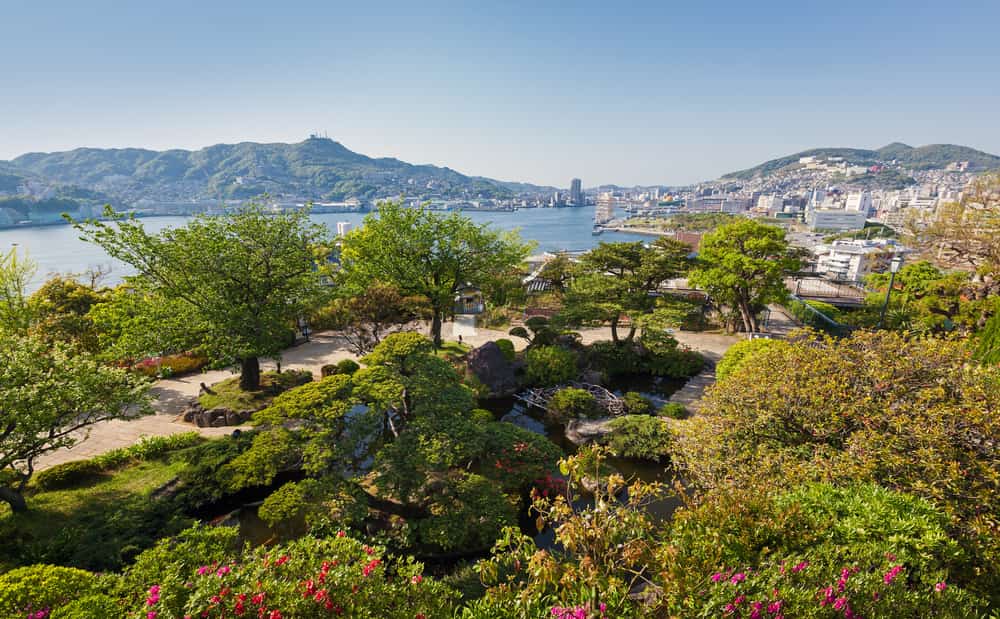
Glover Garden
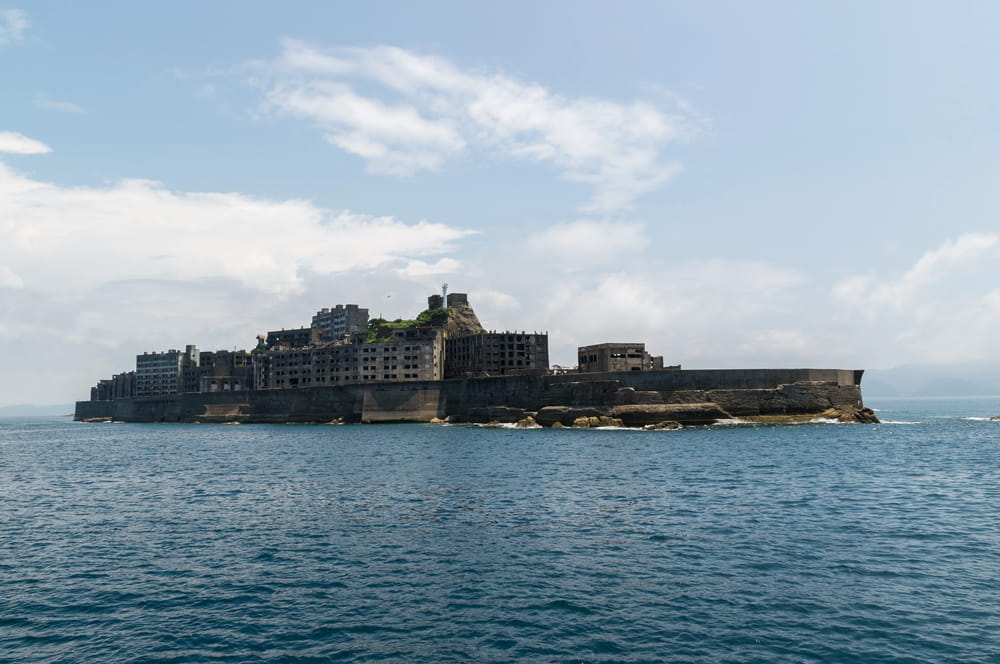
Gunkanjima Island
After exploring the south, we move toward central Japan. Our next stop is one of the world’s most famous cities: Hiroshima. Along with Nagasaki, it became known worldwide during World War II as the first city ever hit by an atomic bomb.
In Hiroshima’s Peace Memorial Park, history feels very real. The former exhibition hall built in 1915 is now known as the Atomic Bomb Dome — preserved in its damaged state as both a peace monument and a memorial. It’s haunting, but impossible to forget.
We also visit the Peace Memorial Museum, where artifacts, photos, and personal stories show life before, during, and after the bombing. It’s intense and emotional — not for the faint-hearted — but important.
After this heavy part of the day, we shift into calm with a visit to Shukkeien Garden, a beautifully designed landscape garden that recreates miniature scenes of Japan’s natural beauty. Quiet, reflective, and exactly what we need after such a powerful experience.
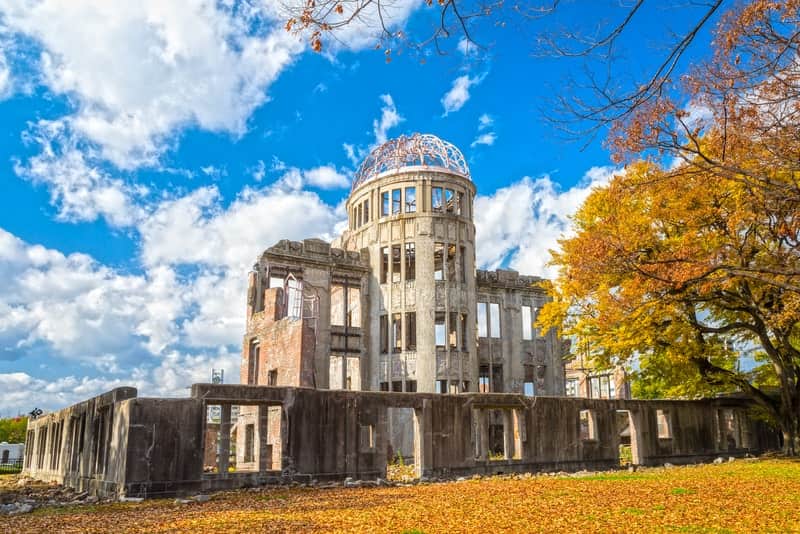
Atomic Bomb Dome
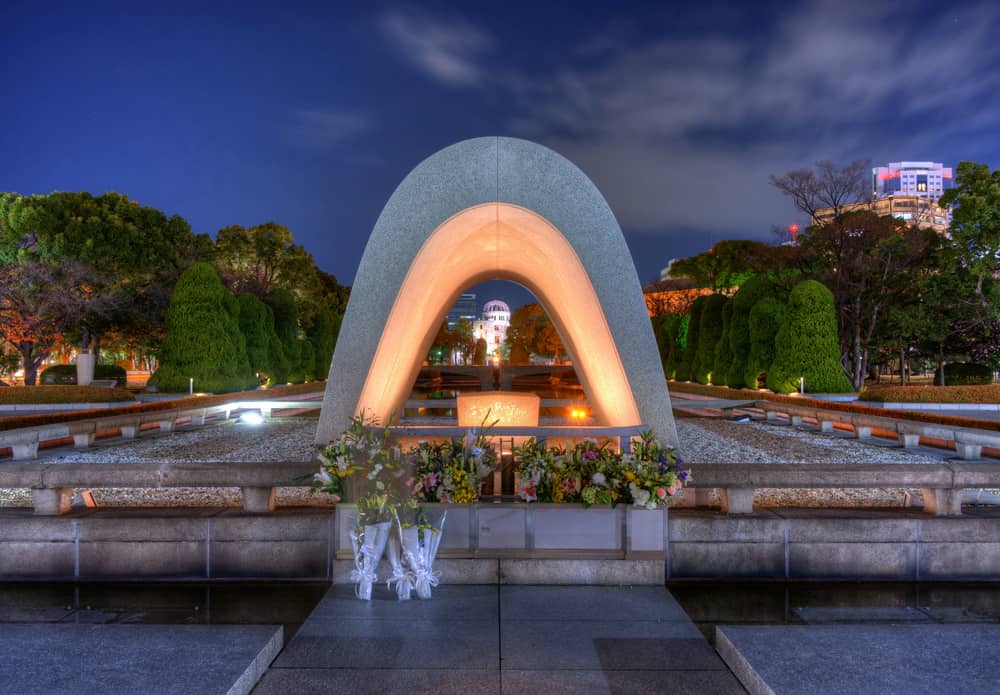
Peace Memorial Park
Today we visit the sacred island of Miyajima, home to one of Japan’s most iconic views: the “floating” torii gate of Itsukushima Shrine. At high tide it looks like it’s standing in the sea — at low tide, it feels like the gate slowly “walks” back onto land and you can get close. No wonder this shrine became a UNESCO World Heritage site in 1996.
“Guard your stuff!”
Another island highlight: the free-roaming deer (and yes, also monkeys). The deer are fearless and sometimes a little too curious — they might grab paper items like tickets if you’re not careful. Consider yourself warned. 😄
Senjoukaku & Mount Misen
We continue to Senjoukaku, the “Hall of 1,000 Tatami Mats,” built by order of Toyotomi Hideyoshi to honor souls lost in war. The name comes from its massive size — try imagining (or calculating) whether 1,000 mats really fit.
Then it’s time to earn the views: we climb Mount Misen for a final look over the stunning landscape. After that, we head onward to Osaka in the evening.
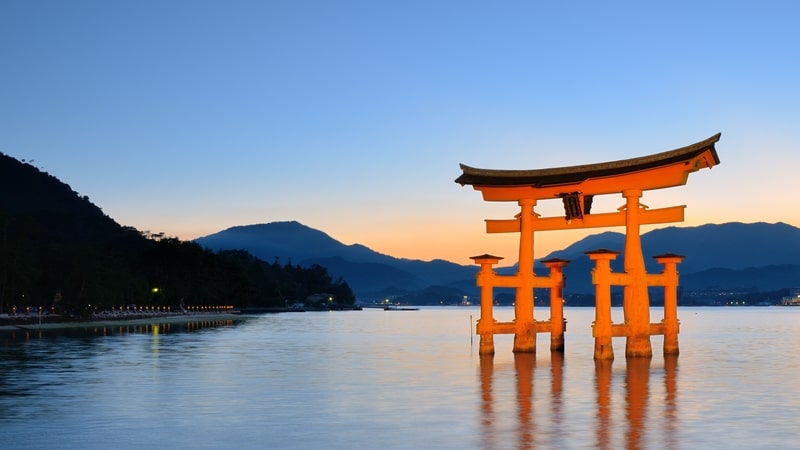
Itsukushima Torii Gate
Today, the travelers from the 16-day trip join the group, and our tour leader heads out to pick them up at the airport. While they arrive, we get free time to explore Osaka on our own. Sightseeing, souvenir hunting, café breaks — totally your call.
With our tour leader’s tips, we’ll have more options than time. Once everyone’s here, we regroup, go over the plan, and let the new arrivals recover from their jetlag (which we’ve already defeated).

Osaka Shopping District
Umeda Station is pure chaos in motion — like an ant colony of people moving in every direction at once. Right outside, modern Japan flexes hard, so we start with a city view from the rooftop of Umeda Sky Building. At 173 meters high, Osaka looks endless.
A Ferris Wheel… on a Mall?!
Next, we reach HEP FIVE, the shopping complex with a giant Ferris wheel built into it. Shopping + rides + food in one place? Japan said efficiency AND fun.
Then we dive into Osaka’s anime zone: Nipponbashi Denden Town and nearby Ota Road. Maid cafés, endless anime merch, and a huge Animate store — this is peak otaku territory.
On the way back, we pass through Dotonbori and see the legendary Glico Man sign. Bonus sightings might include a Pokémon Center and a Jump Store. Your wallet may start crying early.
Up Close with Whale Sharks
To end the day, we visit either Osaka Castle or the city’s famous aquarium. Osaka Castle was originally built in 1586 by Toyotomi Hideyoshi and was once the largest fortress in Japan — the views from the top floors are worth it.
And the aquarium? Not your “goldfish bowl” situation. We’re talking massive whale sharks — easily 10 meters long — swimming right in front of you. It’s mind-blowing.
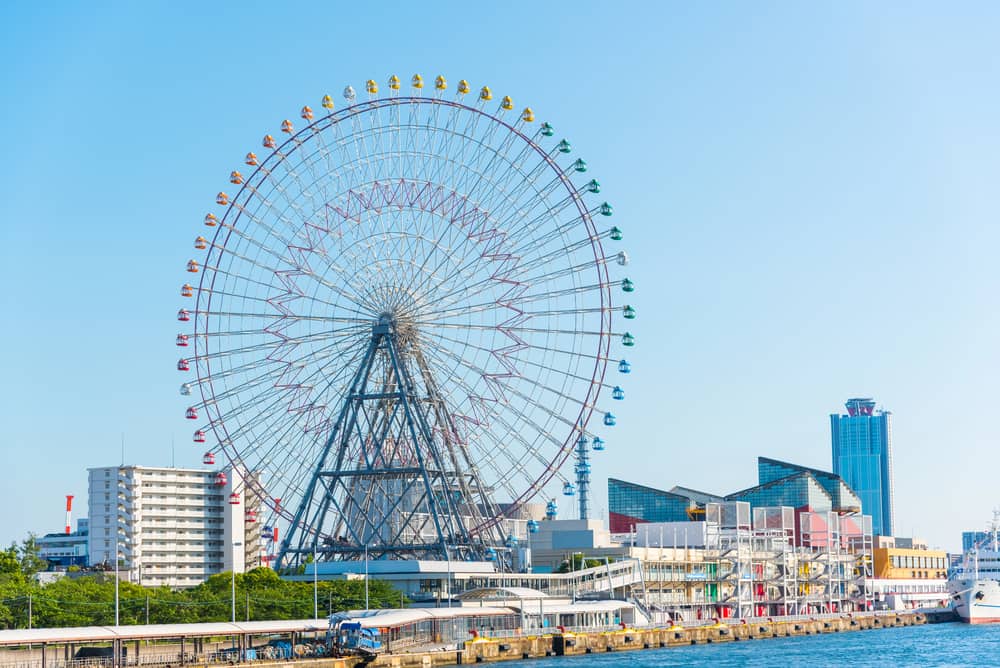
Tempozan Ferris Wheel
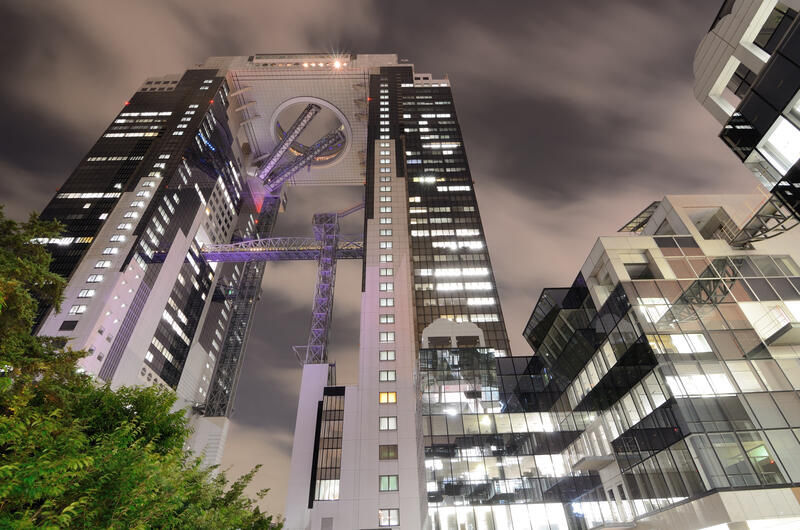
Umeda Sky Building
Today we explore Kobe, one of Japan’s most important port cities. Our walk takes us from the city hall (hello, 360° views) down to the harbor, where we also visit a small gallery about the 1995 earthquake. In just 20 seconds, it reached a magnitude of 7.2 and took more than 6,000 lives. Seeing the images and damaged ground makes the power of nature feel very real.
Chinatown Stop: Nankinmachi
From the harbor we head to Nankinmachi, Kobe’s Chinatown. It began over 120 years ago when Chinese immigrants opened the first restaurants here — and today it’s a street-food paradise.
Green Break with an Ocean View — Nunobiki Herb Garden
After snacking our way through Chinatown, we take the ropeway up to Nunobiki Herb Garden. The view over Kobe and the port is amazing, and the garden itself is a relaxing maze of fragrant herbs, colorful flowers, and cute pathways. Add a café drink and it’s basically an Instagram-ready moment.
We also walk to the Nunobiki Waterfall to end the day on a calm note, then head back to Osaka with our tour leader.
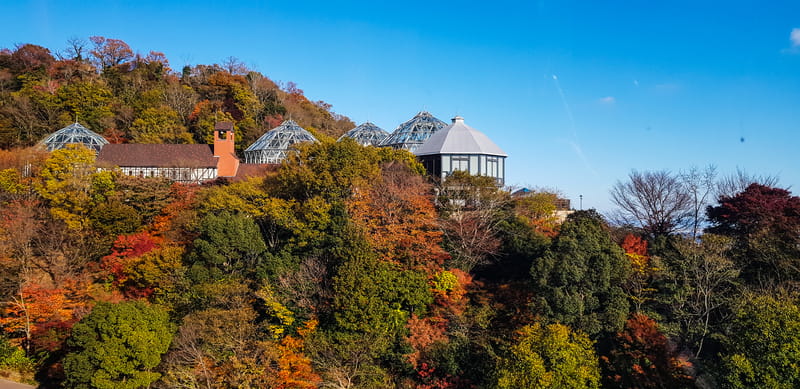
Nunobiki Herb Garden
From Osaka we travel to Himeji to visit Himeji Castle, nicknamed the “White Heron Castle” because of its bright white walls. Taken over in 1580 by Toyotomi Hideyoshi, it was considered nearly impossible to conquer.
After major restoration work, the castle reopened fully to visitors in 2015. Right next door is Koko-en Park, a set of nine different gardens designed on the former footprints of samurai residences.
After that, it’s on to Kyoto — and the excitement is real, because the old imperial city is packed with legendary cultural treasures.
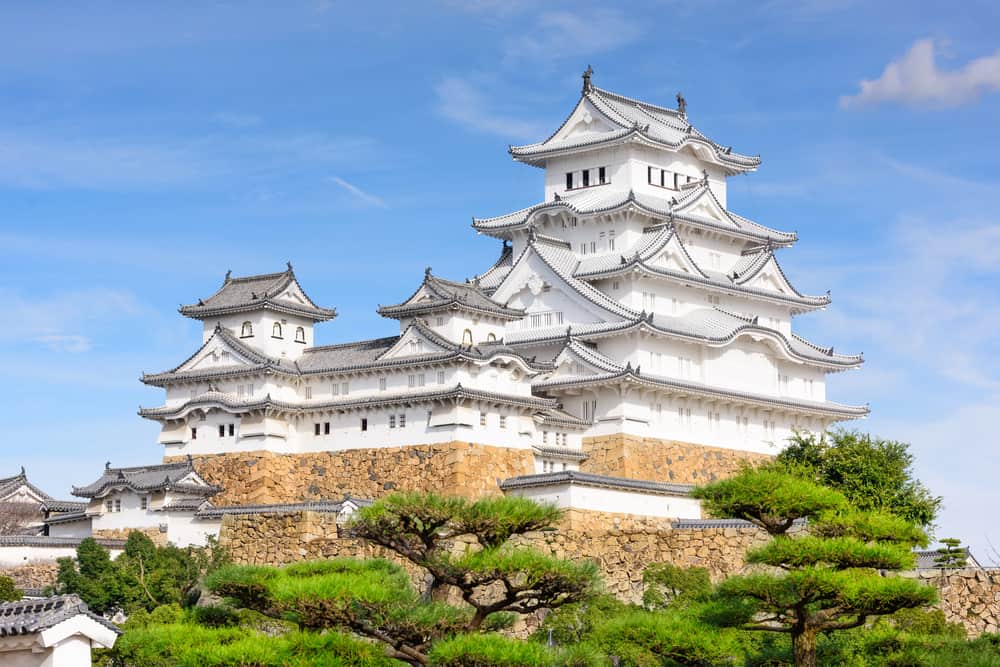
Himeji Castle
Today we step into Kyoto’s royal past with a walk through the Kyoto Imperial Palace. This is where emperors lived for almost a thousand years — and honestly, imagining palace life without air-conditioning is kind of wild. Still, the atmosphere is calm, elegant, and full of “main character in a historical drama” vibes.
A Temple Made of Pure Gold
Next up: the famous Golden Pavilion (Kinkaku-ji). Originally built in 1397 as the retirement villa of Shogun Ashikaga Yoshimitsu (and later turned into a Zen temple), it’s covered in gold leaf and reflects perfectly in the water. It’s one of those places where every photo looks unreal.
In the afternoon, we switch from Zen to “shopping mode” at Teramachi — Kyoto’s covered shopping streets. These days it’s less “temple town” and more “everything-you-didn’t-know-you-needed.” Think 100-yen shops, yukata stores, cafés, manga shops, and of course arcades. Hungry? You’ll find everything from Japan-style chicken bites to okonomiyaki. Snack mission accepted.
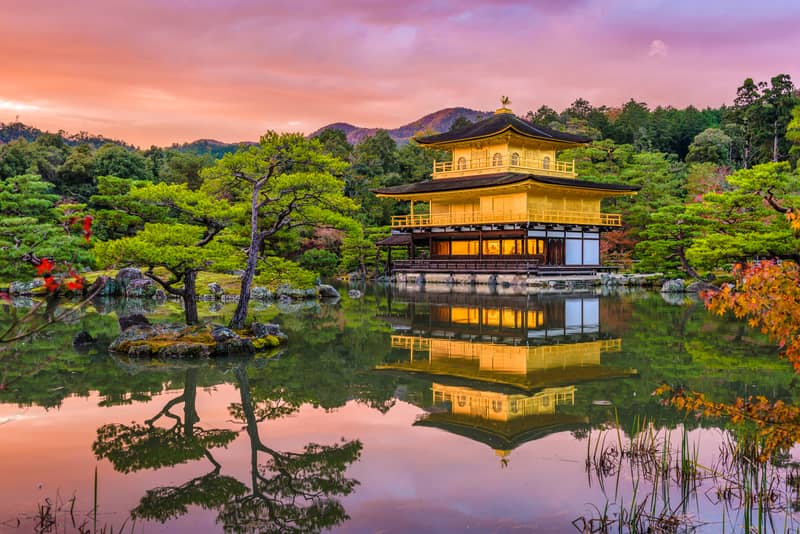
Kinkaku-ji Temple
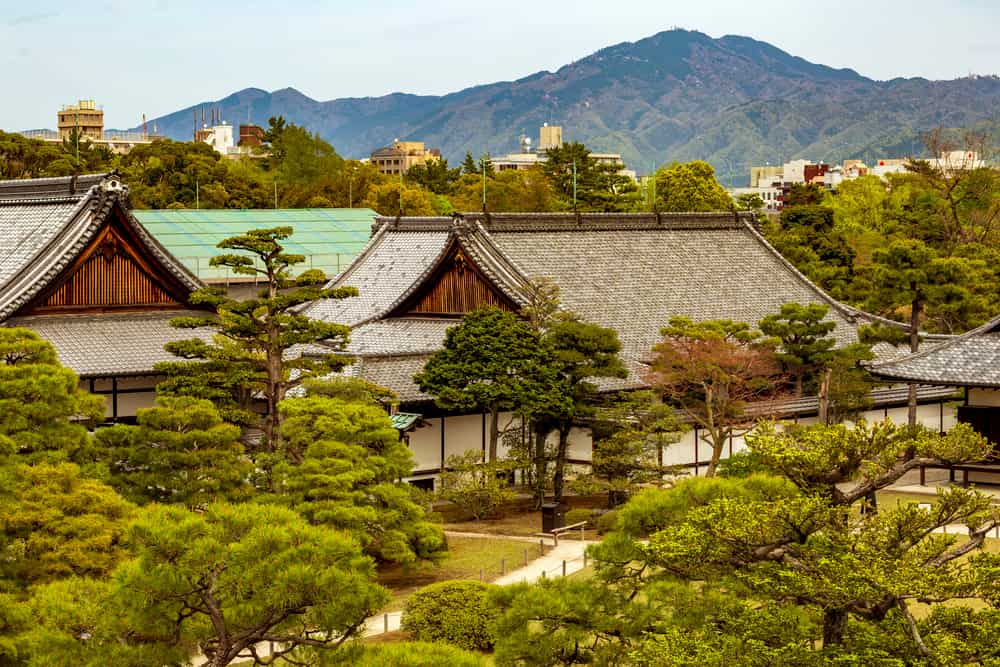
Kyoto Imperial Palace
Today we visit Nijo Castle, built to show off the shoguns’ power — and it’s a total contrast to the emperor’s more minimalist style. The painted walls and sliding doors are stunning, but the real star is the famous “nightingale floors”: wooden hallways that squeak when you walk on them, basically an old-school alarm system. Japan was doing security tech before electronics even existed.
At the “Temple of Pure Water”
After a short subway ride and a walk, we arrive at Chion-in with its massive gate, then climb steps said to “cleanse the soul” (and definitely test your legs).
We stroll through Maruyama Park and pass Yasaka Shrine before exploring Ninenzaka and Sannenzaka, charming streets lined with small shops and lots of free samples. Then comes the grand finale: the legendary Kiyomizu-dera. From its huge wooden terrace, Kyoto stretches out below like a living postcard.
Under the terrace you can taste the spring water that gave the temple its name. People say it has healing powers… but let’s just say we’ll keep our expectations realistic (sharing a ladle with a thousand other visitors feels… questionable). Still: iconic experience.
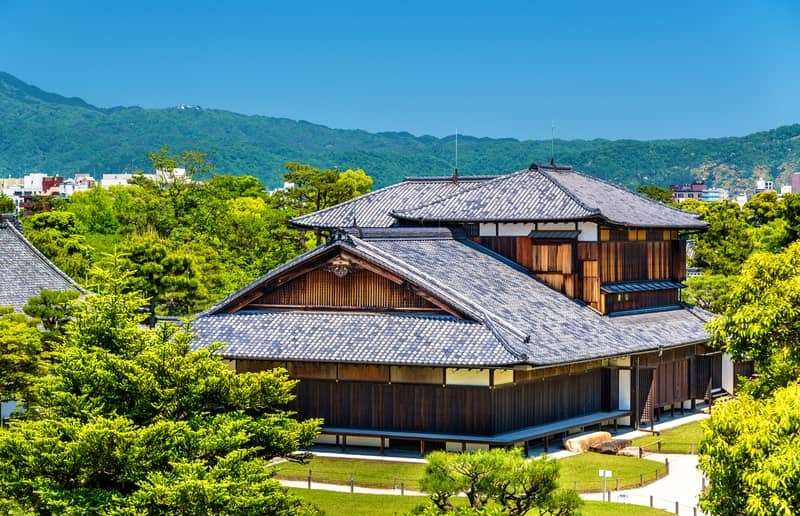
Nijo Castle Honmaru Palace
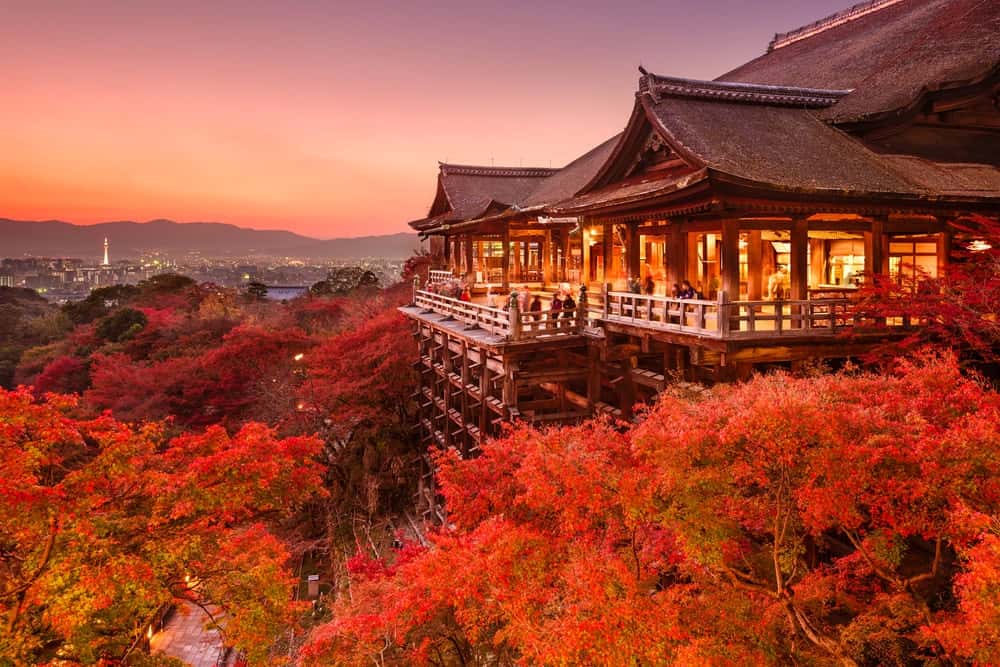
Kiyomizu-dera Temple
We head to Nara, Japan’s first permanent capital. The city’s celebrity residents are the tame deer — cute, fearless, and absolutely not shy about begging for snacks.
We start with Kofuku-ji, home to Japan’s tallest five-story pagoda. Then it’s on to the Todaiji complex, the world’s largest wooden building — and inside it sits one of Japan’s biggest bronze Buddha statues. It’s honestly mind-blowing to think this was built over 1,000 years ago.
A Walk Through 3,000 Lanterns
To wrap up, we visit Kasuga Taisha, lined with thousands of lanterns. The atmosphere is calm, cinematic, and feels like you’ve stepped into a different era.
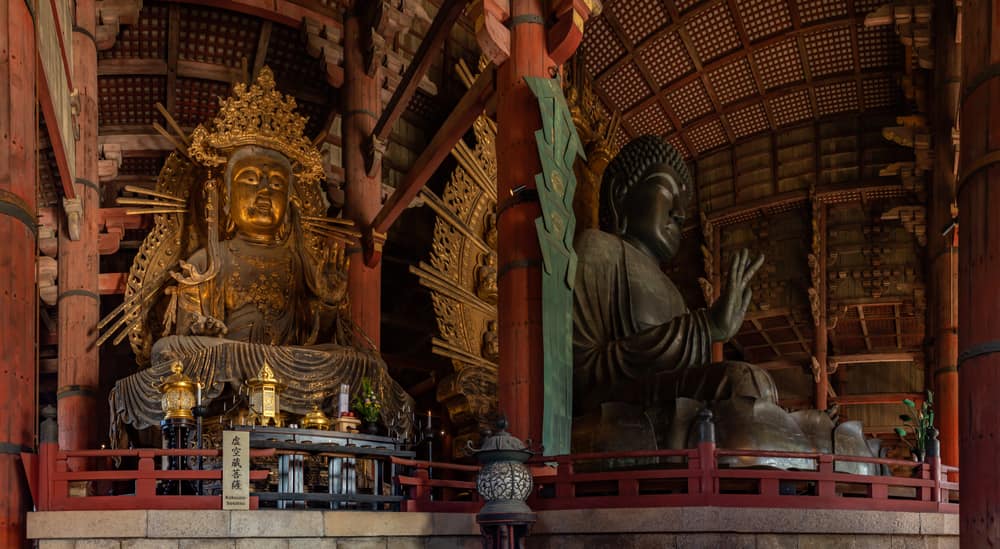
Great Buddha Todaiji
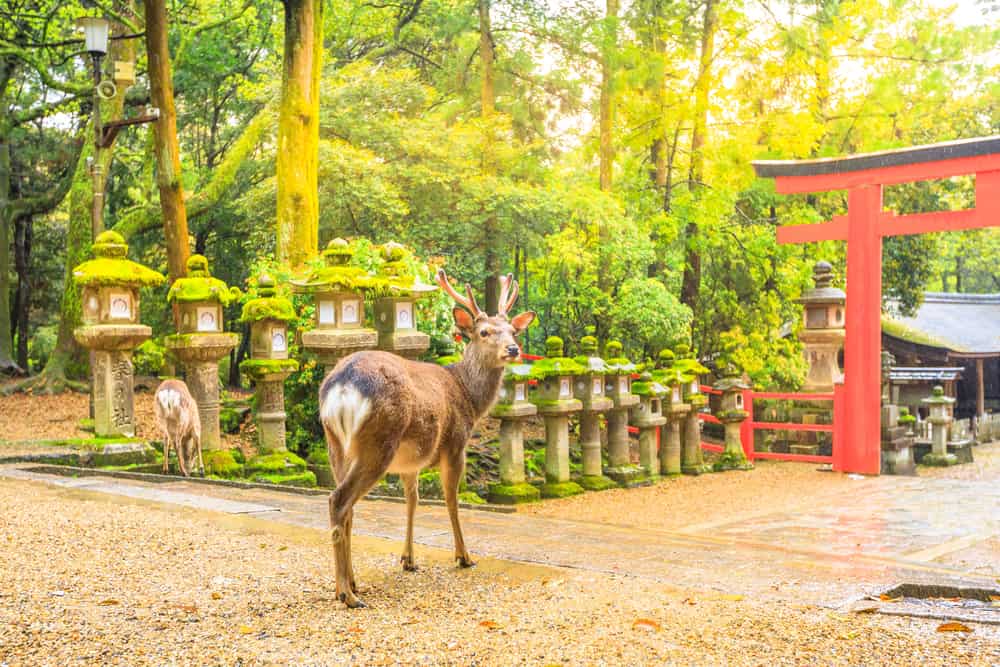
Nara Deer
Today we explore Arashiyama, a scenic area loved since the 8th century. First, we hike up to see the monkeys at Iwatayama — and here’s the twist: on the mountaintop, we go inside the cage while the monkeys roam freely outside. UNO reverse, zoo edition.
After that we cross the famous Togetsukyo Bridge, wander through bamboo groves, and visit Tenryu-ji, a UNESCO World Heritage Zen temple with a stunning 14th-century landscape garden.
Lights, Camera, Samurai!
To finish the day, we visit Eigamura, Japan’s largest film studio theme park. Old Edo-era Japan is recreated so perfectly it feels like time travel. You might even see staged samurai and ninja fights that look surprisingly real.
Want to go full immersion? You can rent a kimono, take photos, and live your historical-Japan fantasy for a moment.
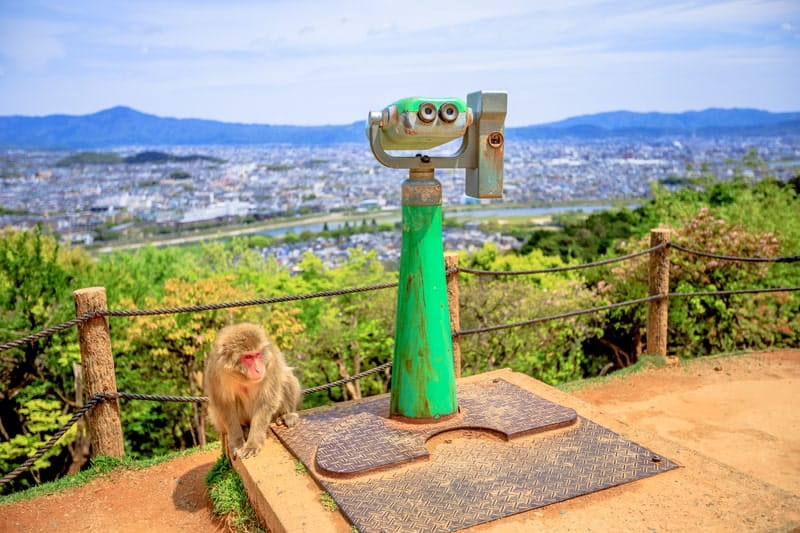
Iwatayama Monkey Park
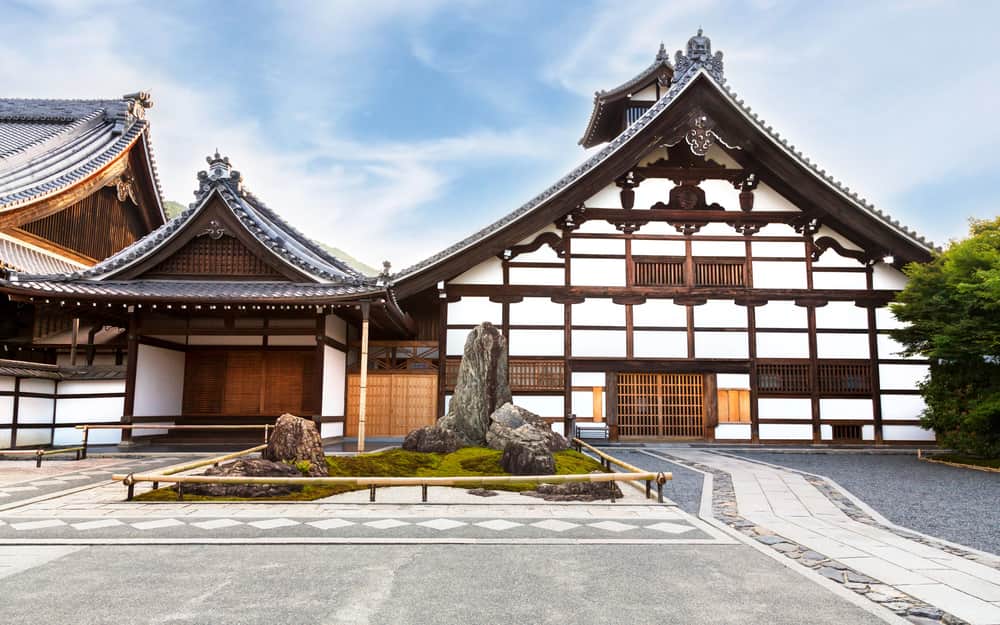
Tenryuji Temple
We leave Kyoto and head toward Nagoya, right in the center of Japan — but first, we stop at Iga Ueno Ninja Village. Yesterday we watched ninja actors… today we learn about real ninja history.
At the ninja museum, we discover what ninja life was actually like — and how manga/anime can be both surprisingly accurate and totally exaggerated at the same time. Some weapons on display look seriously dangerous, so we admire from a safe distance. But trying the “water-walking shoes”? That’s a must.
Nagoya Castle + Ryokan Night
In Nagoya, we visit Nagoya Castle from the 17th century, famous for its golden kinshachi (mythical dolphin-like roof ornaments) — also a symbol of the city. Parts of the interior are modern, but rebuilt in traditional style.
Tonight we stay in a traditional ryokan. And yes, the Japanese bath is the perfect reward after a long day.
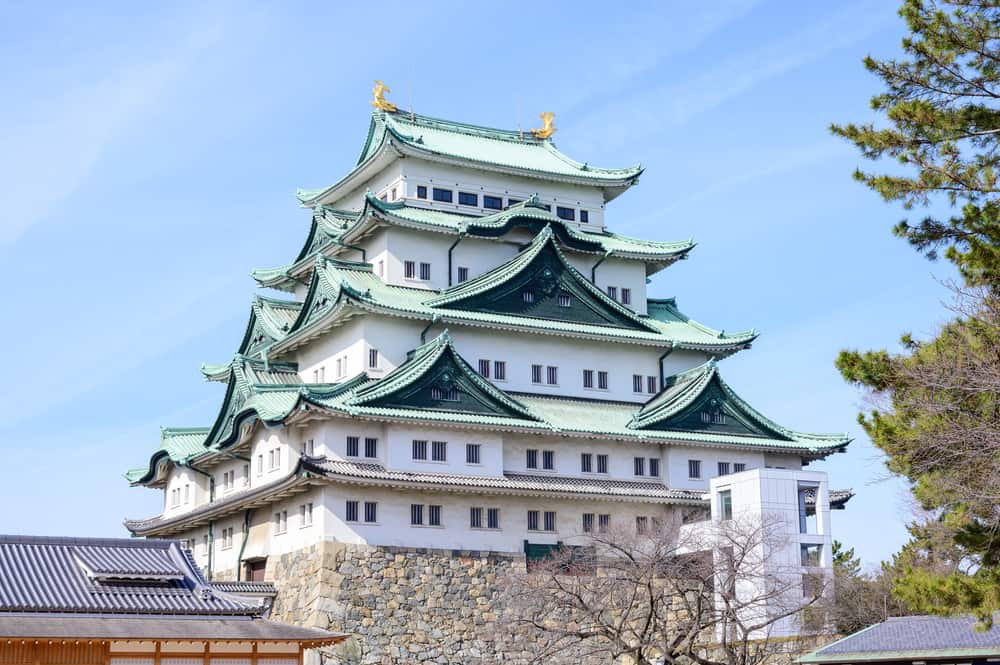
Nagoya Castle
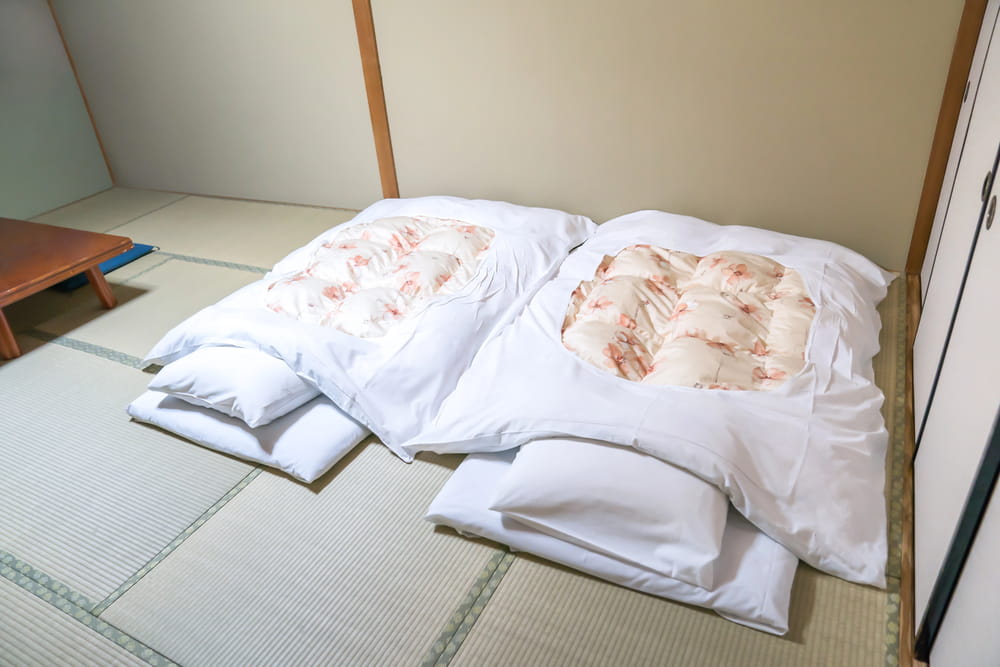
Japanese Ryokan
In the morning, we head to the station and board Japan’s legendary Shinkansen bullet train. With a bit of luck, we might spot Mount Fuji — but according to our guide, only the chosen few get that clear view.
After the smooth ride, we arrive in Tokyo, the mega-metropolis. We drop our bags at the hotel and jump straight into the city.
First stop: Kaminari-mon (Thunder Gate), then through Nakamise Street, a traditional shopping lane packed with souvenirs and snacks. Warning: this is where you buy things you didn’t even know existed… but suddenly you “need” them.
Culture Mode
At the end of the street stands Senso-ji, one of Tokyo’s oldest temples. After exploring and shopping, we hop on a boat along the Sumida River and glide under bridges to Hamarikyu Gardens, once the shoguns’ park — perfect for peaceful walks and tea vibes.
Shibuya & Harajuku — The Trend Districts
Next: Shibuya. We say hi to Hachiko, then cross the world-famous Shibuya Scramble. After that, it’s shopping time — Pokémon Center, Nintendo Store, ONE PIECE Mugiwara Store, Shibuya 109… choose your fighter.
Then we head to Harajuku and the iconic Takeshita Street — colorful shops, unique fashion, and the famous Japanese crêpes that look too cute to eat.
We wrap up in Shinjuku with skyline views from the Tokyo Metropolitan Government Building. From the 45th floor you can see forever — and on a clear day, maybe even Fuji again.
Sleeping in a “Beehive”
Tonight we stay in a real capsule hotel. It looks like a beehive at first, not gonna lie — but it’s surprisingly comfy, has everything you need (yes, even a TV), and the bath area is top-tier.
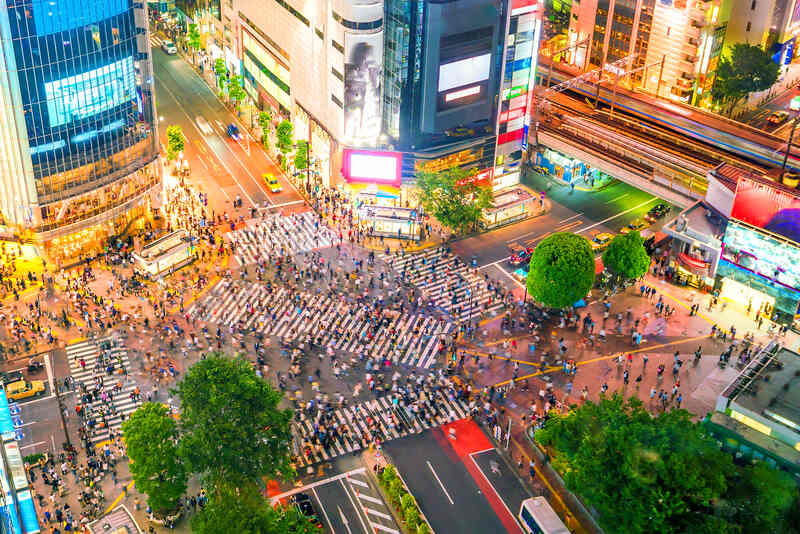
Shibuya Crossing
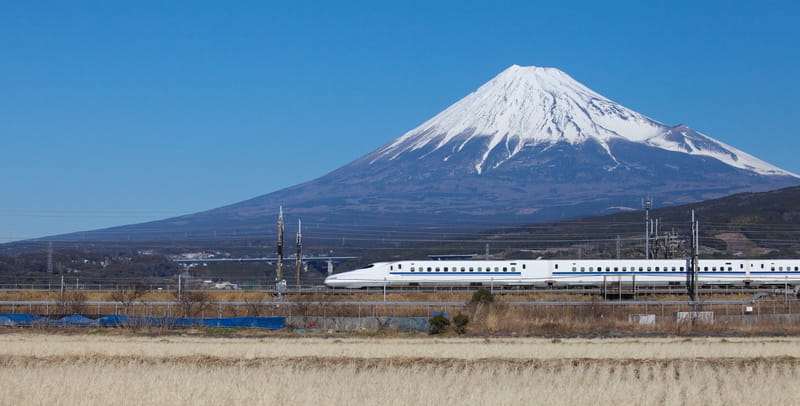
Shinkansen & Mount Fuji
We start with a stroll through the lively Ameya-Yokocho Market, then head into Ueno Park, Japan’s first city park. Nearby you’ll also spot Kanei-ji Temple and its five-story pagoda — an iconic scene that feels straight out of a manga panel.
Everything Is Possible
Now brace yourself: we’re going to Akihabara, the ultimate hotspot for anime and manga fans. Right outside the station, you’re hit with neon, massive signs, and pure fandom energy.
From manga and artbooks to figures, games, trading cards, retro shops, and high-tech stores — it’s all here. You’ll also find rare dōjinshi (fan-made manga) that you won’t easily see elsewhere.
And yes, we can top it off with a visit to a maid café — cute drinks, photo moments, and a little bit of cringe (the fun kind). It’s weird, iconic, and unforgettable.
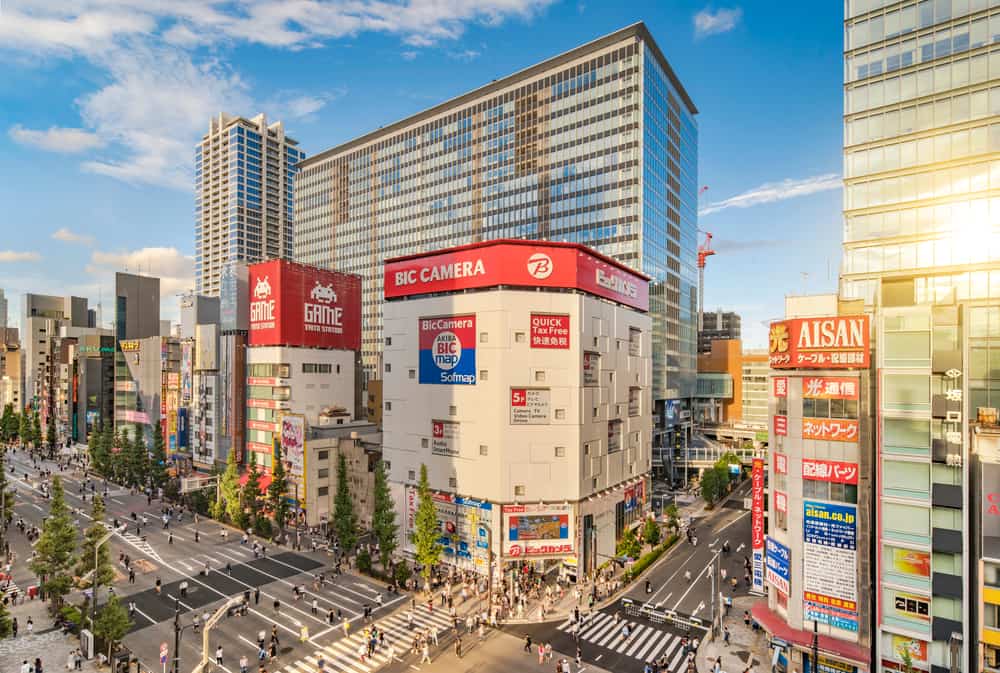
Akihabara
There’s a Japanese saying: “Don’t say ‘magnificent’ until you’ve seen Nikko.” Sounds dramatic… but it’s actually true.
We visit the Rinno-ji Temple and then the absolute masterpiece: Toshogu Shrine, the richly decorated mausoleum of Tokugawa Ieyasu, founder of the Tokugawa shogunate. The carvings and details are next-level — the kind you stare at for minutes and still miss things.
Shaky Knees
At Futarasan Shrine, we see the “Spirit Lantern,” said to have scared even brave samurai at night. Then we visit the Taiyuin Mausoleum, the resting place of the shogun who commissioned Toshogu. It’s less flashy, but many people find its calmer beauty even better.
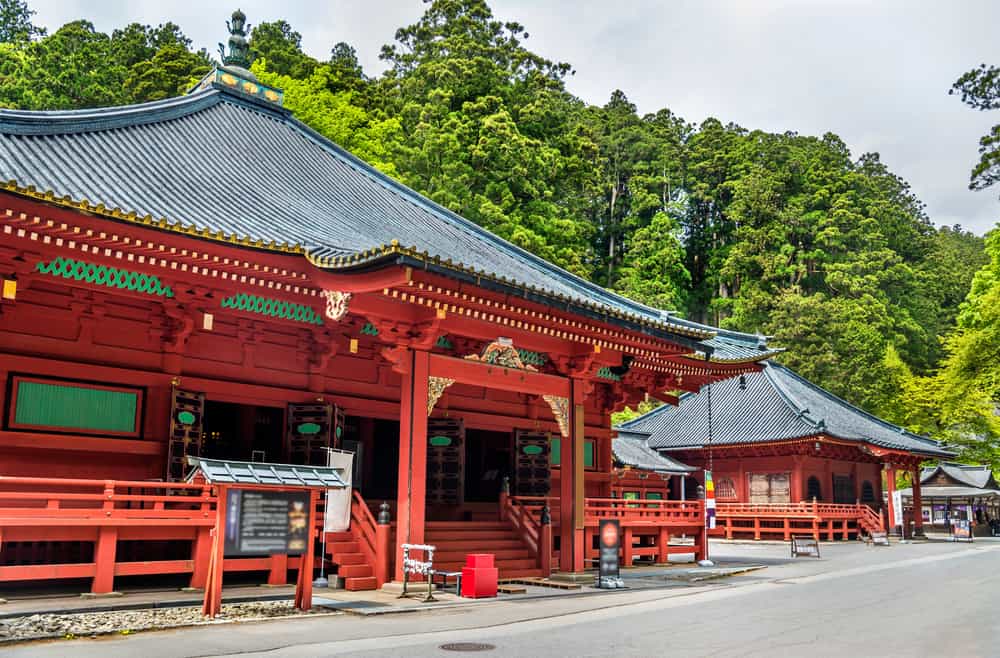
Futarasan Shrine
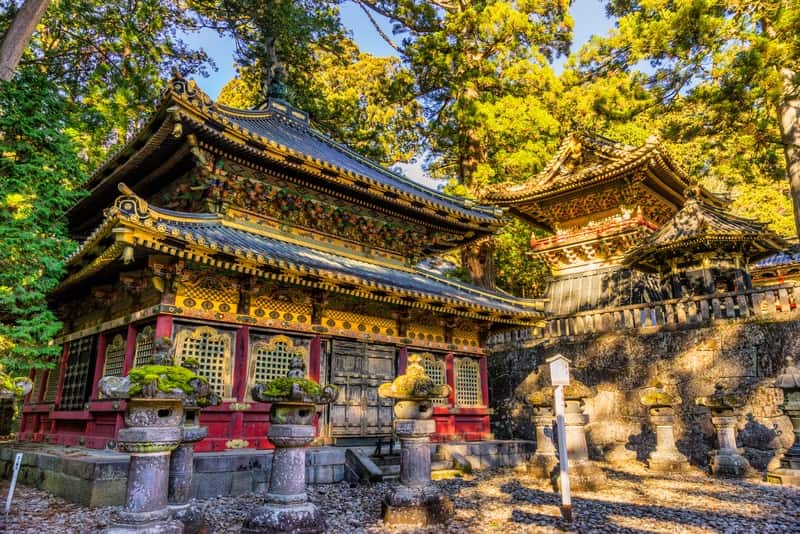
Toshogu Shrine
Want to see Tokyo at its most playful? Today we head to Odaiba, an искусfully designed waterfront area. In the morning, we visit a major event — the exact program depends on your travel date.
AnimeJapan (Tokyo Anime Fair)
If traveling in March, we may visit AnimeJapan, Japan’s biggest anime marketplace where studios showcase new projects and fan excitement is at max level.
Comiket
If traveling in August or December, it could be Comiket, the ultimate festival for manga/anime fan culture — packed with dōjinshi, fan art, merch, and cosplay energy everywhere.
Tokyo Game Show
If traveling in September, we may visit the Tokyo Game Show, where you can see and sometimes try games before they’re even released internationally. Gamer heaven.
Rainbow Bridge & Fuji TV Views
In the afternoon, we walk the waterfront promenade — yes, Tokyo even has a beach. The Rainbow Bridge shines, and you can often spot Tokyo’s skyline icons in the distance.
We also head up to the famous Fuji TV sphere viewing platform for an incredible view over the bay — and we don’t leave without saying hi to the giant Gundam near the shopping area.
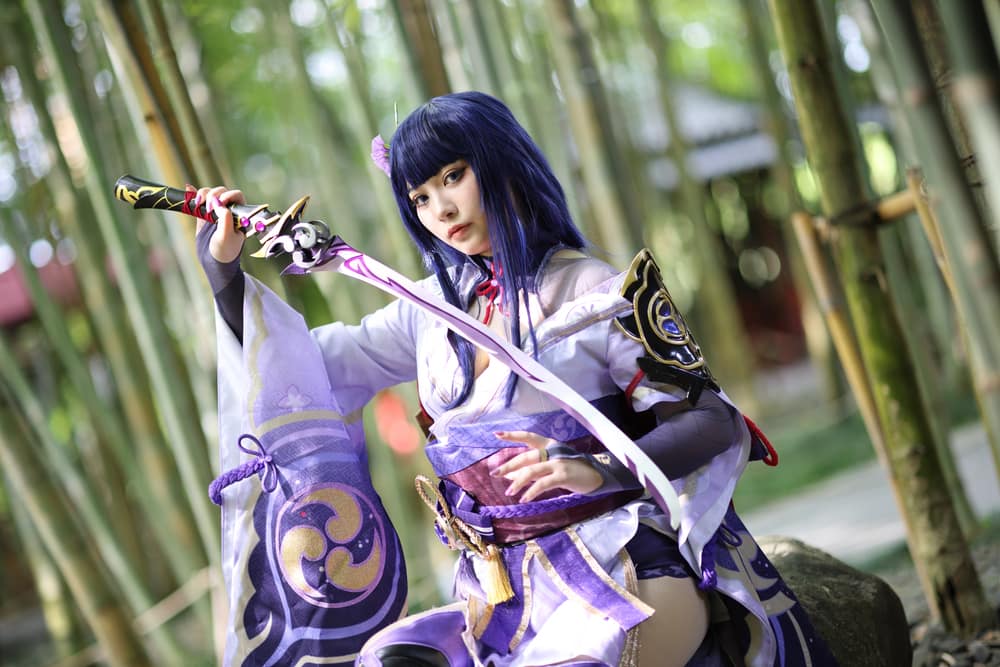
Cosplayer
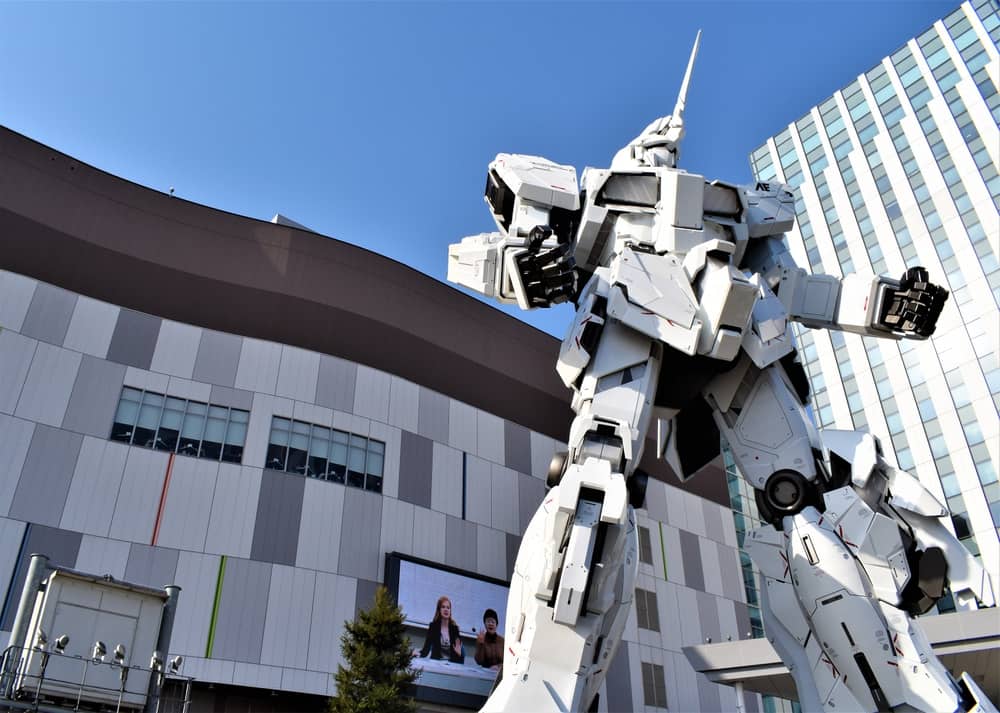
Unicorn Gundam Statue
Tokyo hits you with nonstop stimulation, so today is your chance to slow down — or go on one last adventure. There’s still so much to explore.
Everyone chooses their own plan: revisit a favorite spot, hunt for souvenirs, try a new neighborhood, or do something totally random. One person might go collectible-hunting in Nakano Broadway, another might check out Ginza, and someone else might end the day with a Tokyo Tower night view.
At breakfast, we ask our guide for the best tips, easiest routes, and final recommendations — then we scatter like a party of adventurers with different quests.
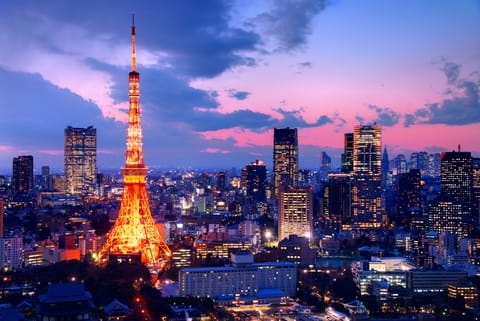
Tokyo Tower
Today it’s time to say goodbye — but not forever. “Sayonara” sounds too final… so we’ll go with:
Mata-ne, Japan! See you again soon. ✈️🇯🇵
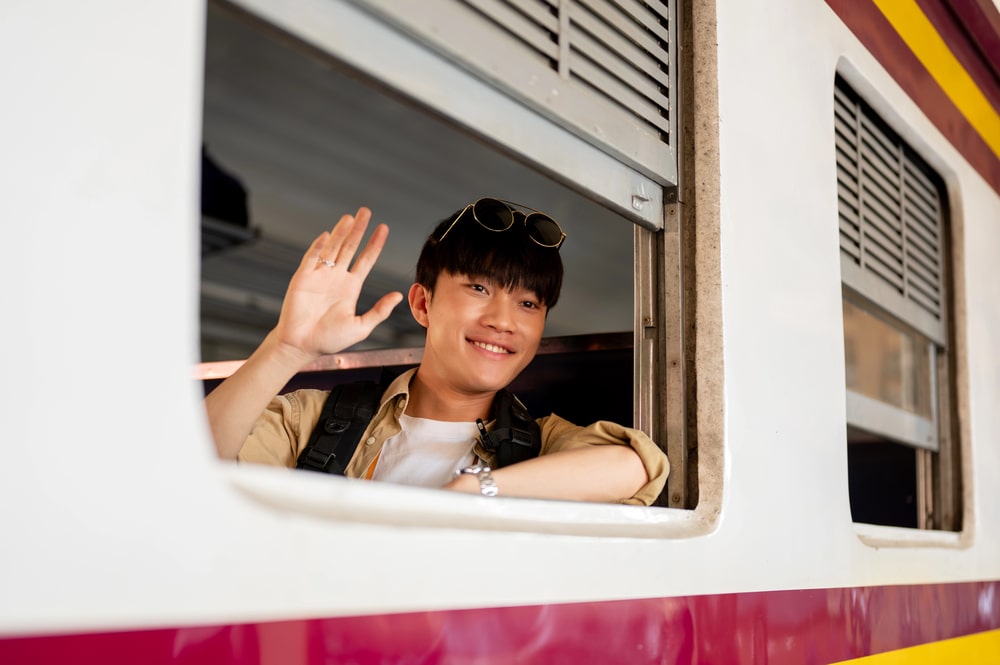
Farewell in Japan
This trip is recommended for teenagers and young-at-heart travelers aged 16–28.
Participants over 28Participants over 28 years old must unfortunately pay a surcharge of €190, as the youth airfare rate no longer applies.
Program changes reserved.
| Trip No. | Travel Date | Duration | Flight | Trip Price | Status |
|---|---|---|---|---|---|
| 2781461EN | Wed, 28. Jul – Tue, 17. Aug 2027 | 21 Days | EK/JL | 4698 Euro | Free Spots |
| 2781462EN | Wed, 1. Sep – Tue, 21. Sep 2027 | 21 Days | EK/JL | 4698 Euro | Free Spots |
If you are traveling alone, you can either book a half double room or a single room. The half double room is confirmed at the time of booking. If no other traveler books the other half of the double room, you may use the room alone at no additional cost.
The single room supplement for the Summer Trip (12 days) is €398.
The single room supplement for the Summer Trip XL (19 days) is €498.
Minimum number of participants: 16 persons.
Maximum number of participants: 24 persons.
The minimum number of participants must be reached no later than 30 days before departure. As our trips are often fully booked much earlier, we recommend registering in good time.
Recommended age: 16–28 years
Since youth airfare rates no longer apply to participants over 28 years old, a surcharge of €190 will apply.
The qualified Travel4Youth tour guide speaks your language.
You will only travel with participants who speak your language.